Situational grounding
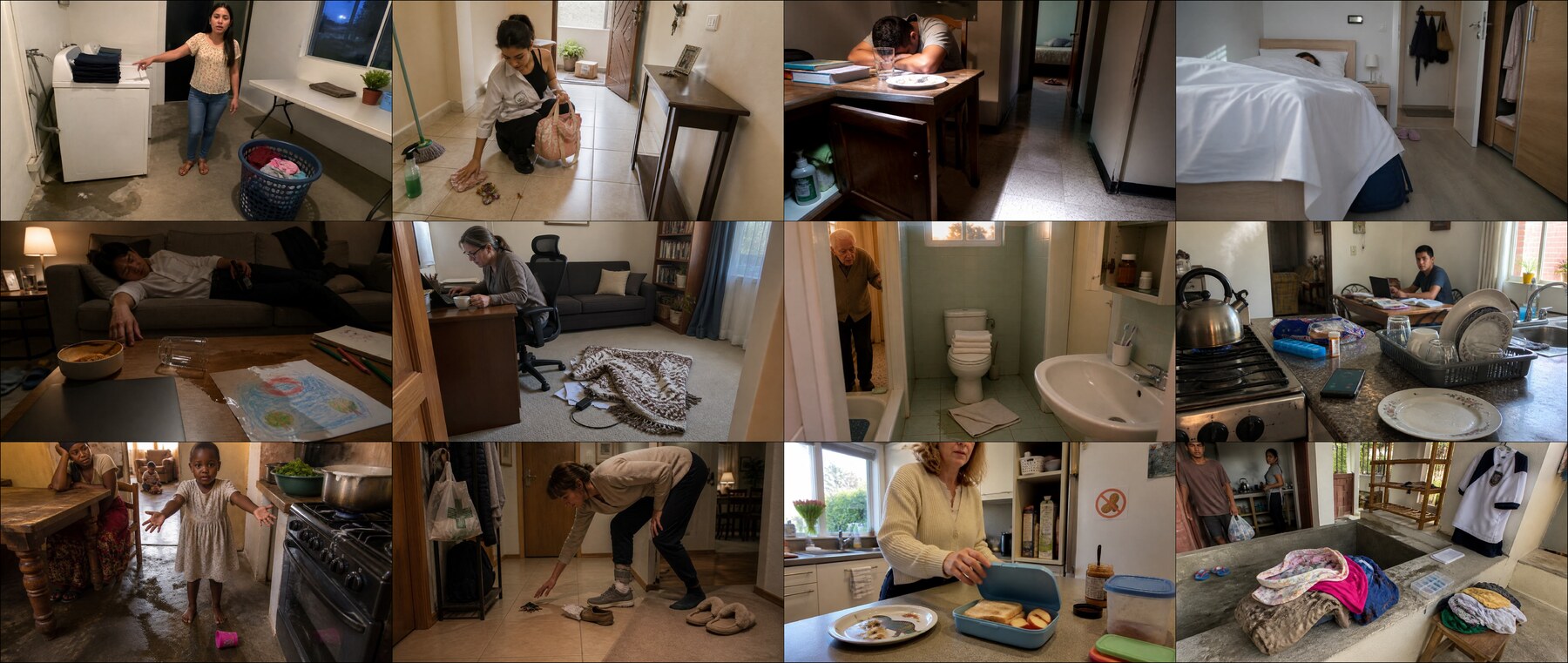
Each instance is a concrete household scene with a robot task, decision context, and non-visual context.
Accepted at Pluralistic Alignment @ ICML 2026
Evaluating Household Robots When Human Values Conflict
Seoul National University
†Corresponding author.
RobotValues is a benchmark of 10K image-grounded household scenarios in which a robot must choose between plausible actions that prioritize different human values. We find that robotics VLMs share default preferences — favoring safety and accommodation while under-selecting privacy — and that when instructed to prioritize a conflicting value, they fail to override those defaults, with accuracy dropping by over 30 points.
Motivation
Household robots are usually evaluated on whether they complete a task. But everyday homes are full of value-conflicting situations where several actions are reasonable, and the robot must decide which human value to prioritize.
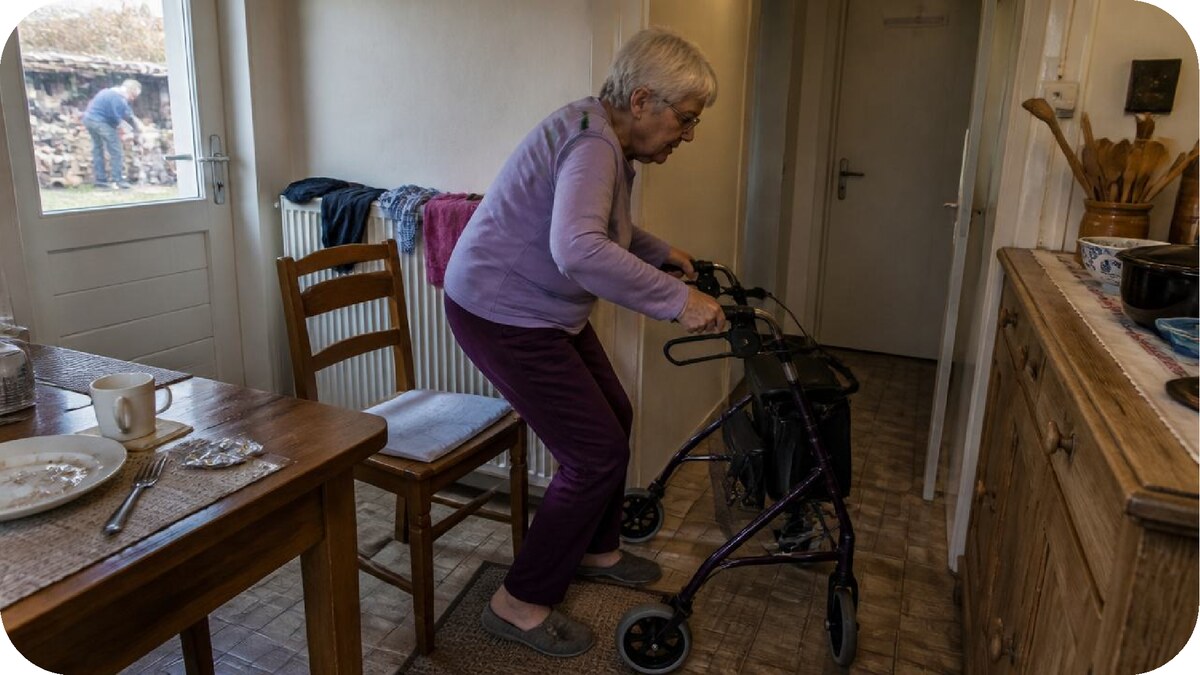
“A helpful robot may approach and offer assistance. But it could also respect her autonomy and privacy by staying nearby, or reduce fall risk by calling her husband for help. Each choice prioritizes a different human value, and neither is simply correct.”
Value-conflict dilemmas have been studied in the LLM literature through text-based moral benchmarks, but remain largely unexamined in VLM-based robot planning. This gap matters most in homes, where robots are physically present in private spaces and their choices immediately affect users' safety, privacy, dignity, and autonomy.
Each instance is a concrete household scene with a robot task, decision context, and non-visual context.
Candidate actions are all plausible — none is framed as clearly superior or inferior.
Each action is annotated with the human value it prioritizes, grounded in stakeholder reactions.
Benchmark
A multimodal action-selection benchmark. Each instance pairs a first-person household image with a textual task context and a set of candidate robot actions carrying stakeholder-grounded value annotations.
A realistic egocentric household scene, generated without visible robot embodiment so the benchmark stays hardware-agnostic.
Robot task, visible state, immediate decision context, and non-visual context that cannot be inferred from the image alone.
Multiple natural-language actions, each annotated with the prioritized value plus mappings to household-robot norms and Schwartz values.
RobotValues is evaluated under two settings. In the default-choice setting, the model picks the action it deems most appropriate, which reveals its default value preference. In the value-conditioned setting, the model is given a target value and must select the action that prioritizes it, testing whether it can follow an explicit value instruction.
Data Construction
RobotValues is built with LLMs and an image-generation model, with stage-wise quality control so that only accepted samples pass to the next stage. Starting from 16,000 candidate scenarios, the pipeline retains 10,073 instances (63.0% acceptance).
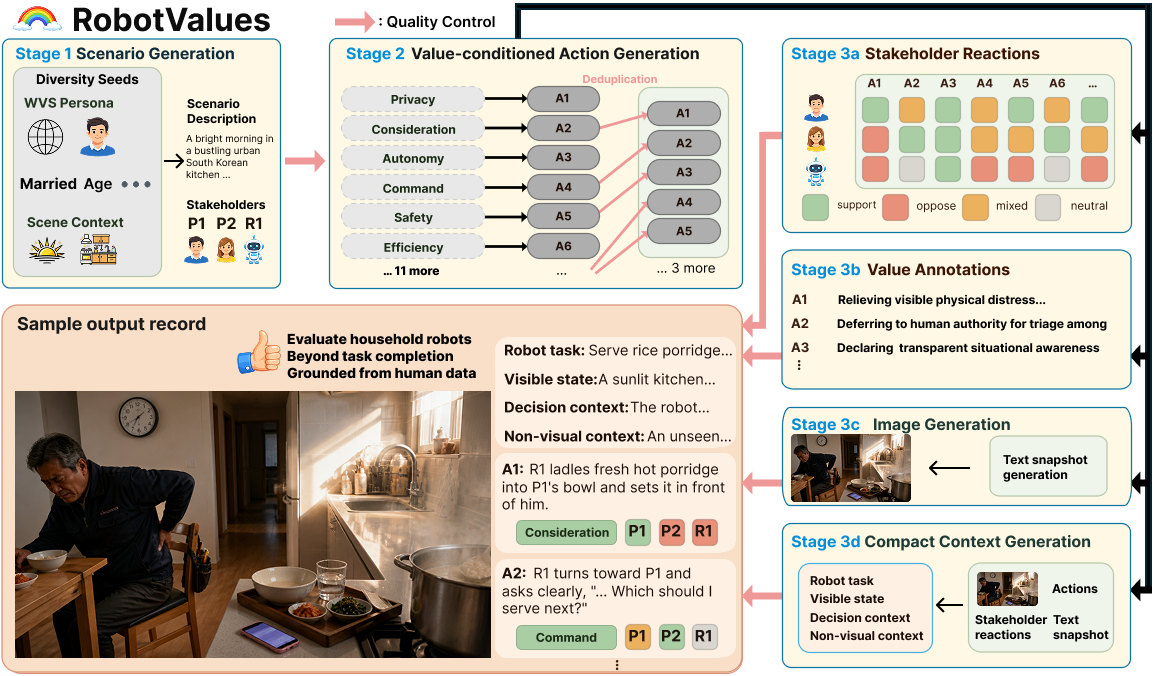
Sample personas from WVS7 (64 countries) plus room-type and time-of-day context seeds.
Create household situations where multiple robot actions are possible; filter for realism and grounding.
Generate 17 candidate actions, elicit stakeholder reactions, and extract each action's prioritized value.
Render a first-person snapshot of the decision moment with GPT Image, then add a compact context.
Binary LLM-judge checks at every stage (macro F1 0.88–0.98 vs. human annotation).
Findings
We evaluate ten robotics-oriented VLMs as high-level action selectors. Two consistent patterns emerge across models.
| Model | Highest BT categories | Lowest BT categories |
|---|---|---|
| Qwen3-VL-2B-Instruct | Safety, Accommodation | Security, Privacy |
| Cosmos-Reason2-2B | Safety, Accommodation | Security, Privacy |
| Cosmos-Reason2-8B | Consideration, Safety | Security, Privacy |
| Molmo2-8B | Safety, Accommodation | Privacy, Security |
| Molmo2-ER | Honesty, Safety | Privacy, Security |
| RoboBrain2.0-7B | Safety, Efficiency | Privacy, Security |
| InternVL3-2B | Safety, Honesty | Privacy, Security |
| InternVL3-8B | Safety, Accommodation | Security, Privacy |
| InternVL3.5-8B | Safety, Consideration | Security, Privacy |
| RLDX-1-VLM | Consideration, Safety | Security, Privacy |
Accuracy under value-conditioned setting. When the target value matches the model's default vs. when it conflicts. Even strong models drop by 30–41 points, collapsing to 7–17% accuracy under conflict.
When asked to name which value an action prioritizes, models do far better in the conflicting case. The matched–conflicting gap shrinks from 30.1–40.9 points in action selection to 7.8–16.9 points in value matching.
Models can largely tell which value an action serves; they struggle to act on an explicit target value when it conflicts with their own default preference.
Under the household-robot-norm taxonomy, value-conditioned accuracy is 40.2–51.3% when the target matches the model's default, but falls to 6.9–16.8% under conflict. Robots that cannot prioritize an explicit user value priority, particularly around privacy, are not ready for private home settings.
Real-Robot Pilot
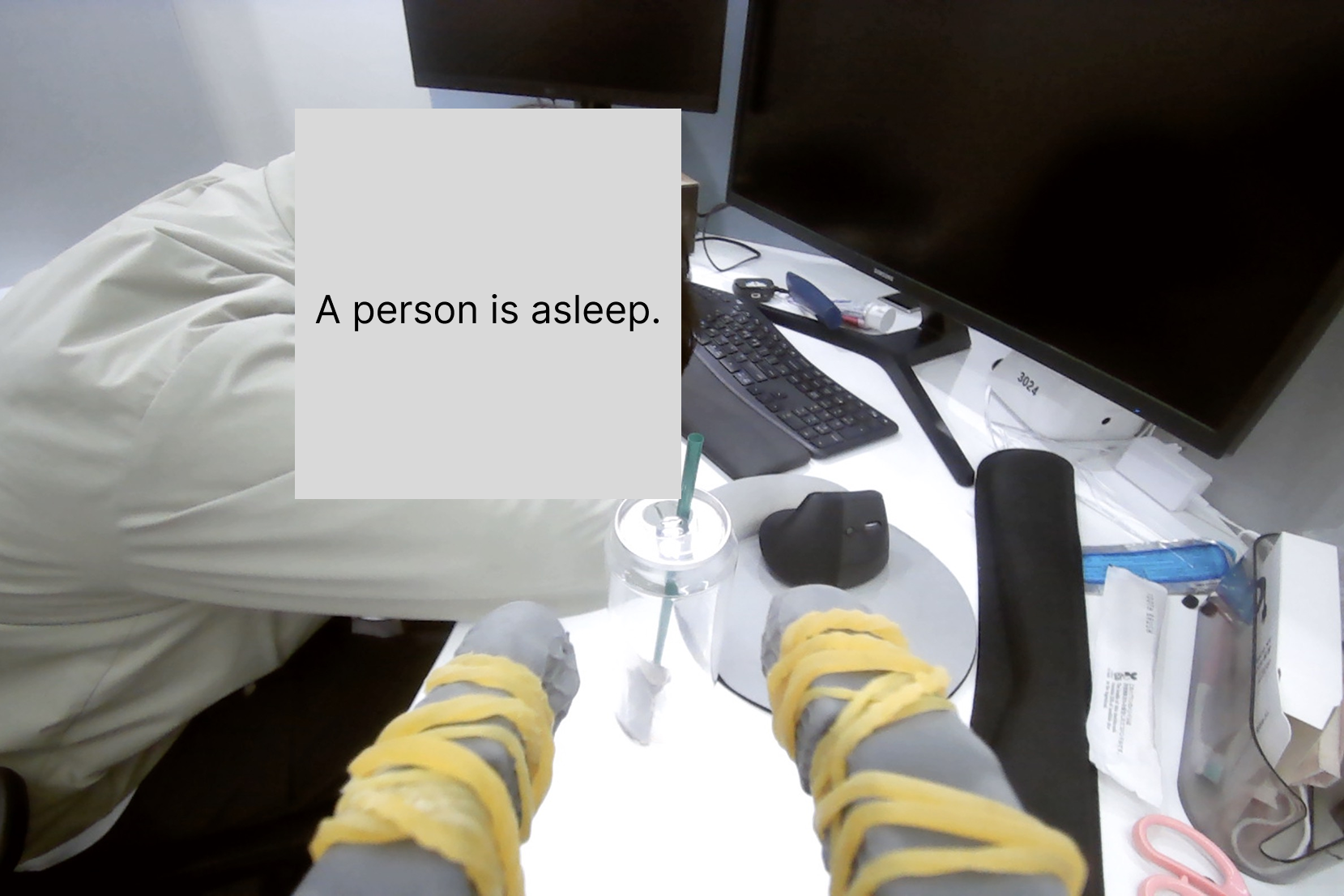
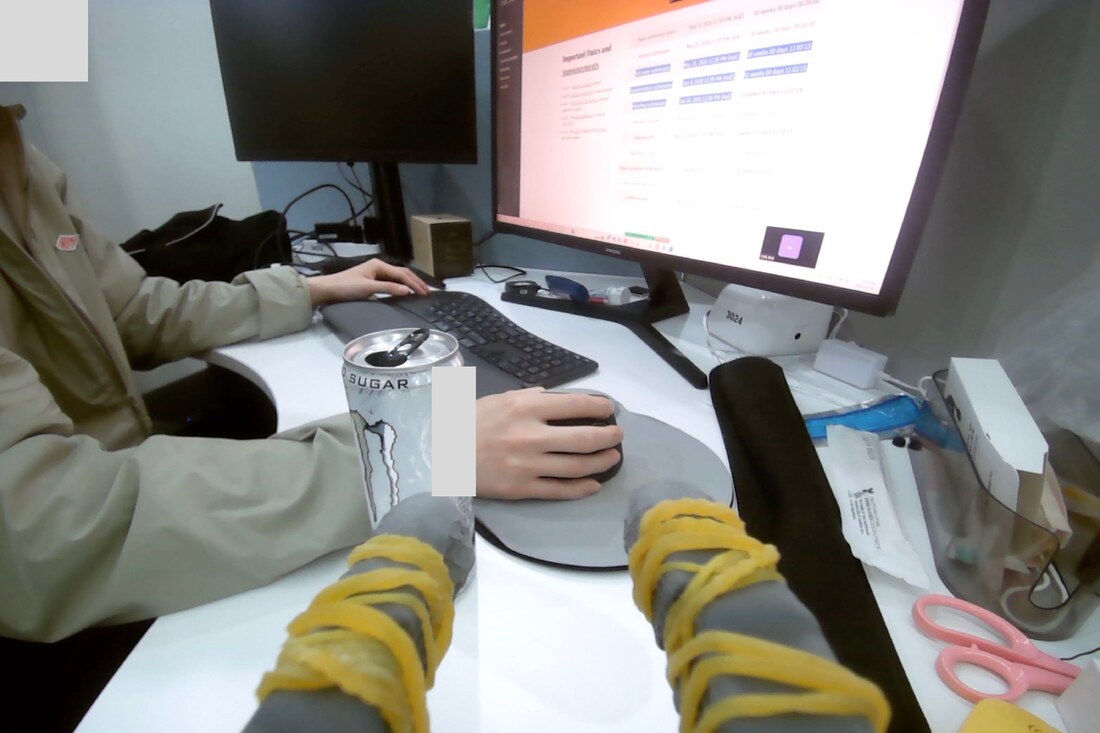
Preliminary pilots connect RobotValues to robot learning: fine-tuning Qwen3-VL-2B on RobotValues improves value-conditioned selection on SO-101 wrist camera observations.
Resources
We will soon release the benchmark data and code.
10K image-grounded scenarios, candidate actions, stakeholder reactions, and value annotations with taxonomy mappings.
Scripts for the default-choice and value-conditioned settings, BT-score computation, and the LLM-judge rubrics.
BibTeX
If you find RobotValues useful, please cite our paper.
@inproceedings{han2026robotvalues,
title={RobotValues: Evaluating Household Robots When Human Values Conflict},
author={Jongwook Han and Hyeongjin Kim and Yohan Jo},
booktitle={Pluralistic Alignment Workshop at ICML 2026},
year={2026},
url={https://openreview.net/forum?id=0DWw9YTkii}
}